
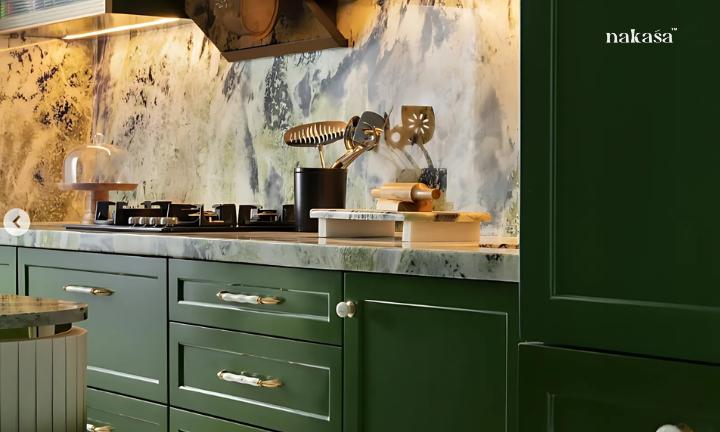
There is a quiet art to designing transition spaces, those thoughtful corridors, entryways, and open-plan zones where one design world gently gives way to another. A rustic dining room flowing into a sleek modern kitchen. A classic, ornate living area stepping into a minimalist study. These junctions can either feel disjointed or, with the right choices, feel like a beautifully composed sentence. The secret? Hardware.
The Role of Hardware in Design Harmony
Hardware is often the last element considered, yet it carries one of the greatest responsibilities. A door handle, a cabinet pull, a hinge, each of these small details speaks a visual language. In transition spaces, that language must be bilingual.
For hardware for interior designers, the challenge lies in finding pieces that carry the weight of two aesthetics simultaneously. A brushed brass pull, for instance, honours the warmth of a traditional setting while its clean, linear silhouette nods respectfully to contemporary sensibilities. This duality is not compromise; it is craft.
What to Look for When Bridging Styles
When selecting hardware for spaces caught between two design worlds, three principles guide the process beautifully:
Finish as the Mediator. Finishes such as antique bronze, satin nickel, or matte gold are naturally versatile. They hold the richness of heritage design without the heaviness, making them ideal connectors between old-world charm and modern restraint.
Form Follows Both Functions. Seek silhouettes that are neither too ornate nor too stark. A subtly curved lever handle or a gently tapered pull can echo classical elegance while remaining visually clean enough for a contemporary context.
Consistency in Material. Even when styles differ dramatically, repeating a single material, say, solid brass or hand-forged iron, across both spaces creates an invisible thread of continuity that the eye follows instinctively.
Curating with Intention
Great hardware for interior designers is never accidental. Every knob, latch, and hinge is a considered decision. In transition spaces particularly, hardware becomes the punctuation mark that makes the design narrative coherent. It signals to the visitor: this is intentional. This flow was designed.
At Nakasa, we understand that the finest interiors are built from the finest details. Our curated collections are crafted to give designers the vocabulary they need to tell complex, layered stories across any space, traditional, contemporary, or beautifully in between.
Transition spaces, when handled with care, become some of the most memorable parts of a home. They are where design conversation happens. And the right hardware for interior designers ensures that conversation is eloquent, effortless, and enduring.
Explore Nakasa’s hardware collections at www.nakasa.in and discover pieces that speak every design language.